


Bondage and Restraints
-
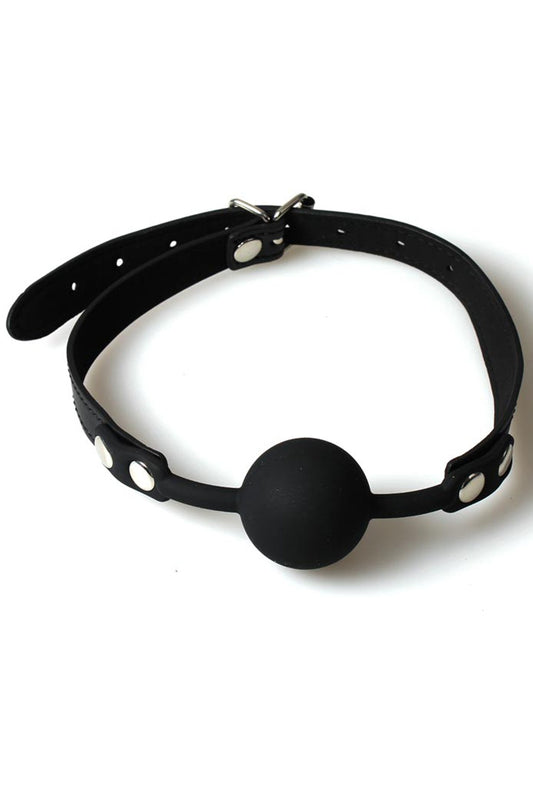
Silicone ball gag with adjustable strap in metal case Secret Play
Vendor:Secret Play- Silicone ball
- Adjustable
In stock, ships within 24 hoursRegular price 17,90 €Regular price0,00 €Sale price 17,90 € -
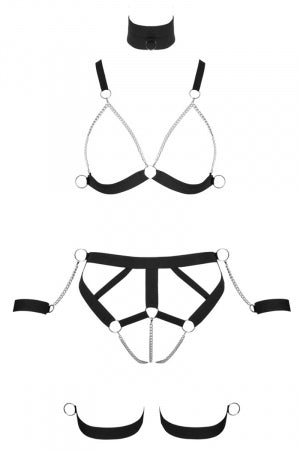
Strappy bikini harness set Strappy Bad Kitty
Vendor:LollyDoll- Metal buckles
- As underwear
Regular price 91,50 €Regular price0,00 €Sale price 91,50 € -
Lockable thick leather ankle cuffs with spikes red The Sinners
Vendor:The Sinners- 6 notches
- Lockable
In stock, ships within 24 hoursRegular price 45,90 €Regular price0,00 €Sale price 45,90 € -
Lockable thick leather ankle cuffs with spikes black The Sinners
Vendor:The Sinners- 6 notches
- Lockable
In stock, ships within 24 hoursRegular price 45,90 €Regular price0,00 €Sale price 45,90 € -
Lockable thick leather wrist cuffs with spikes red The Sinners
Vendor:The Sinners- 6 notches
- Lockable
In stock, ships within 24 hoursRegular price 43,90 €Regular price0,00 €Sale price 43,90 € -
Lockable thick leather wrist cuffs with spikes black The Sinners
Vendor:The Sinners- 6 notches
- Lockable
In stock, ships within 24 hoursRegular price 43,90 €Regular price0,00 €Sale price 43,90 € -
Natural hemp bondage rope 8 m purple The Sinners
Vendor:The Sinners- 8 meters
- 100% hemp
In stock, ships within 24 hoursRegular price 33,90 €Regular price0,00 €Sale price 33,90 € -
Natural hemp bondage rope 8 m red The Sinners
Vendor:The Sinners- 8 meters
- 100% hemp
In stock, ships within 24 hoursRegular price 33,90 €Regular price0,00 €Sale price 33,90 € -
Natural hemp bondage rope 8 m black The Sinners
Vendor:The Sinners- 8 meters
- 100% hemp
In stock, ships within 24 hoursRegular price 33,90 €Regular price0,00 €Sale price 33,90 € -
Natural hemp bondage rope 8 m natural The Sinners
Vendor:The Sinners- 8 meters
- 100% hemp
In stock, ships within 24 hoursRegular price 29,90 €Regular price0,00 €Sale price 29,90 € -
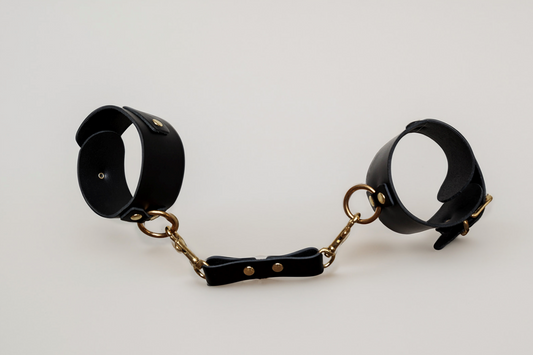
Double leather wrist cuffs joined together red The Sinners
Vendor:The Sinners- Joined handles
- One size
In stock, ships within 24 hoursRegular price 37,90 €Regular price0,00 €Sale price 37,90 € -
Double leather wrist cuffs joined together black The Sinners
Vendor:The Sinners- Joined handles
- One size
In stock, ships within 24 hoursRegular price 37,90 €Regular price0,00 €Sale price 37,90 € -
Red cut-out leather cuff bracelets The Sinners
Vendor:The Sinners- Reversible
- One size
In stock, ships within 24 hoursRegular price 29,90 €Regular price0,00 €Sale price 29,90 € -
Black cut-out leather cuff bracelets The Sinners
Vendor:The Sinners- Reversible
- One size
In stock, ships within 24 hoursRegular price 29,90 €Regular price0,00 €Sale price 29,90 € -
Black leather ankle cuffs with gold-tone rings The Sinners
Vendor:The Sinners- Gold finishes
- Detachable strap
In stock, ships within 24 hoursRegular price 85,90 €Regular price0,00 €Sale price 85,90 € -
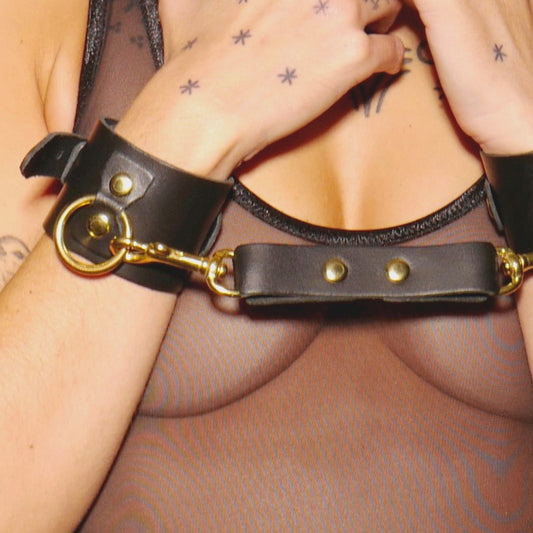
Black leather wrist cuffs with gold-tone rings Collection Anneaux The Sinners
Vendor:The Sinners- Gold finishes
- Detachable strap
In stock, ships within 24 hoursRegular price 79,90 €Regular price0,00 €Sale price 79,90 € -
Red leather spreader bar with central ring The Sinners
Vendor:The Sinners- Spacing
- Central ring
In stock, ships within 24 hoursRegular price 95,90 €Regular price0,00 €Sale price 95,90 € -
Black leather spreader bar with central ring The Sinners
Vendor:The Sinners- Spacing
- Central ring
In stock, ships within 24 hoursRegular price 95,90 €Regular price0,00 €Sale price 95,90 € -
Black leather bondage belt with 3 rings The Sinners
Vendor:The Sinners- 3 rings
- Adjustable
In stock, ships within 24 hoursRegular price 51,90 €Regular price0,00 €Sale price 51,90 € -
Black leather thigh cuffs with rings The Sinners
Vendor:The Sinners- For the thighs
- Steel rings
Regular price 62,90 €Regular price0,00 €Sale price 62,90 €Sold out -
Red leather ankle cuffs with rings Collection Anneaux The Sinners
Vendor:The Sinners- Steel rings
- Removable carabiner
In stock, ships within 24 hoursRegular price 37,90 €Regular price0,00 €Sale price 37,90 € -
Black leather ankle cuffs with rings Collection Anneaux The Sinners
Vendor:The Sinners- Steel rings
- Removable carabiner
Regular price 37,90 €Regular price0,00 €Sale price 37,90 €Sold out -
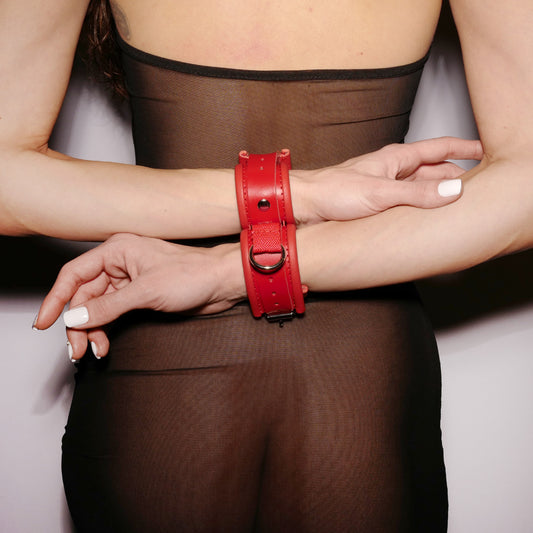
Red leather wrist cuffs with rings Collection Anneaux The Sinners
Vendor:The Sinners- Steel rings
- Removable carabiner
In stock, ships within 24 hoursRegular price 33,90 €Regular price0,00 €Sale price 33,90 € -
Wide thick leather ankle cuffs red The Sinners
Vendor:The Sinners- Wide leg
- Steel ring
In stock, ships within 24 hoursRegular price 59,90 €Regular price0,00 €Sale price 59,90 € -
Wide thick leather ankle cuffs black The Sinners
Vendor:The Sinners- Wide leg
- Steel ring
In stock, ships within 24 hoursRegular price 59,90 €Regular price0,00 €Sale price 59,90 € -
Wide thick leather wrist cuffs black The Sinners
Vendor:The Sinners- Wide leg
- Steel ring
In stock, ships within 24 hoursRegular price 56,90 €Regular price0,00 €Sale price 56,90 € -
Red braided leather wrist cuffs The Sinners
Vendor:The Sinners- Braided leather
- Steel ring
Regular price 47,90 €Regular price0,00 €Sale price 47,90 €Sold out -
Black braided leather wrist cuffs The Sinners
Vendor:The Sinners- Braided leather
- Steel ring
In stock, ships within 24 hoursRegular price 47,90 €Regular price0,00 €Sale price 47,90 € -
Black padded leather ankle cuffs with gold-tone hardware The Sinners
Vendor:The Sinners- Fleece-lined
- Gold-tone hardware
In stock, ships within 24 hoursRegular price 66,90 €Regular price0,00 €Sale price 66,90 € -
Padded leather wrist cuffs with gold-tone hardware The Sinners
Vendor:The Sinners- Fleece-lined
- Gold-tone hardware
Regular price 62,90 €Regular price0,00 €Sale price 62,90 €Sold out -
Black padded leather ankle cuffs with gold hardware The Sinners
Vendor:The Sinners- Fleece-lined
- Gold clasps
In stock, ships within 24 hoursRegular price 98,90 €Regular price0,00 €Sale price 98,90 € -
Padded leather wrist cuffs with gold hardware The Sinners
Vendor:The Sinners- Fleece-lined
- Gold clasps
In stock, ships within 24 hoursRegular price 95,90 €Regular price0,00 €Sale price 95,90 € -
Red padded leather ankle cuffs with silver hardware The Sinners
Vendor:The Sinners- Fleece-lined
- Silver fasteners
In stock, ships within 24 hoursRegular price 59,90 €Regular price0,00 €Sale price 59,90 € -
Black padded leather ankle cuffs with silver hardware The Sinners
Vendor:The Sinners- Fleece-lined
- Silver fasteners
In stock, ships within 24 hoursRegular price 59,90 €Regular price0,00 €Sale price 59,90 € -
Adjustable metal ankle cuffs Fetish Tentation
Vendor:Fetish Tentation- Padded lining
- For beginners
In stock, ships within 24 hoursRegular price 21,50 €Regular price0,00 €Sale price 21,50 € -
Adjustable aluminium handcuffs for beginners Fetish Tentation
Vendor:Fetish Tentation- Soft Velcro
- Together
In stock, ships within 24 hoursRegular price 9,90 €Regular price0,00 €Sale price 9,90 € -
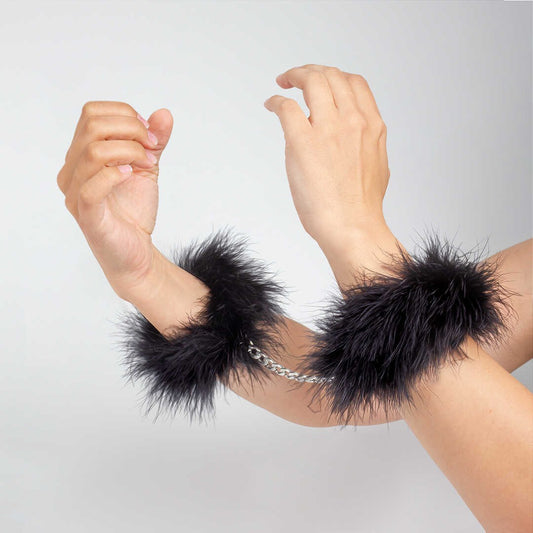
Black marabou feather cuffs Secret Play
Vendor:Secret Play- Wide straps
- Together
In stock, ships within 24 hoursRegular price 7,90 €Regular price0,00 €Sale price 7,90 € -
Black cuffs Sherila Obsessive
Vendor:Obsessive- Soft Velcro
- Complete kit
Regular price 20,50 €Regular price -
BDSM starter kit 7 accessories purple Clara Morgane
Vendor:Clara Morgane- Soft leather
- Complete kit
In stock, ships within 24 hoursRegular price 27,50 €Regular price0,00 €Sale price 27,50 € -
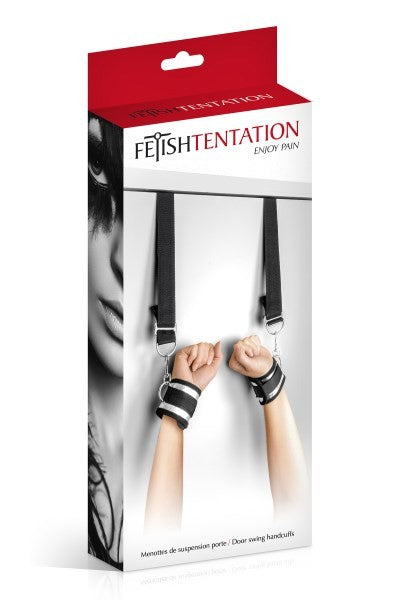
Lace-up door restraints Fetish Tentation
Vendor:Fetish Tentation- Wide straps
- Guided discovery
Regular price 25,90 €Regular price0,00 €Sale price 25,90 €Sold out -
BDSM starter kit 7 accessories black Fetish Kit Clara Morgane
Vendor:Clara Morgane- Wide straps
- Complete kit
Regular price 27,50 €Regular price0,00 €Sale price 27,50 €Sold out -
BDSM starter kit 7 accessories red Fetish Kit Clara Morgane
Vendor:Clara Morgane- Soft Velcro
- Wrists and ankles
Regular price 27,50 €Regular price0,00 €Sale price 27,50 €Sold out -
BDSM starter kit 7 accessories pink Fetish Kit Clara Morgane
Vendor:Clara Morgane- Soft Velcro
- Wrists and ankles
Regular price 27,50 €Regular price0,00 €Sale price 27,50 €Sold out -
Black cuffs with chain Obsessive
Vendor:Obsessive- Soft Velcro
- Guided discovery
Regular price 18,50 €Regular price0,00 €Sale price 18,50 € -
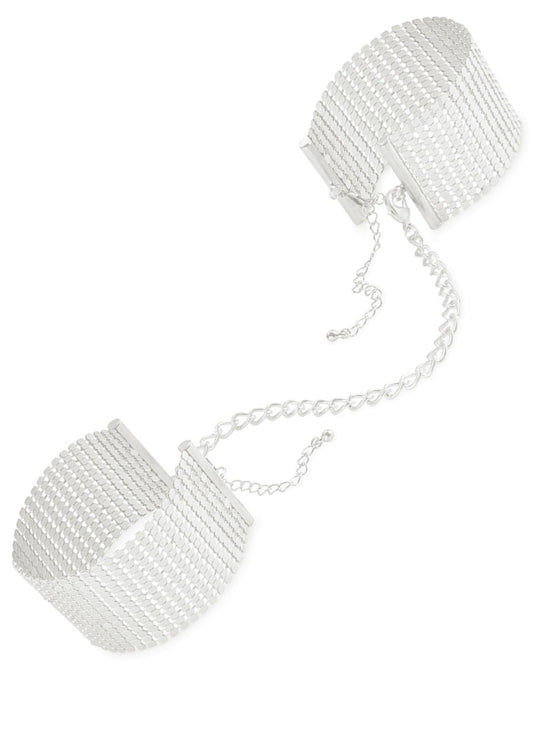
Silver mesh cuff bracelets Désir Métallique Bijoux Indiscrets
Vendor:Bijoux Indiscrets- Lined metal
- Gentle restraint
In stock, ships within 24 hoursRegular price 23,90 €Regular price0,00 €Sale price 23,90 € -
Black mesh mask Louise Bijoux Indiscrets
Vendor:Bijoux Indiscrets- Lined faux leather
- Gentle restraint
Regular price 12,90 €Regular price0,00 €Sale price 12,90 € -
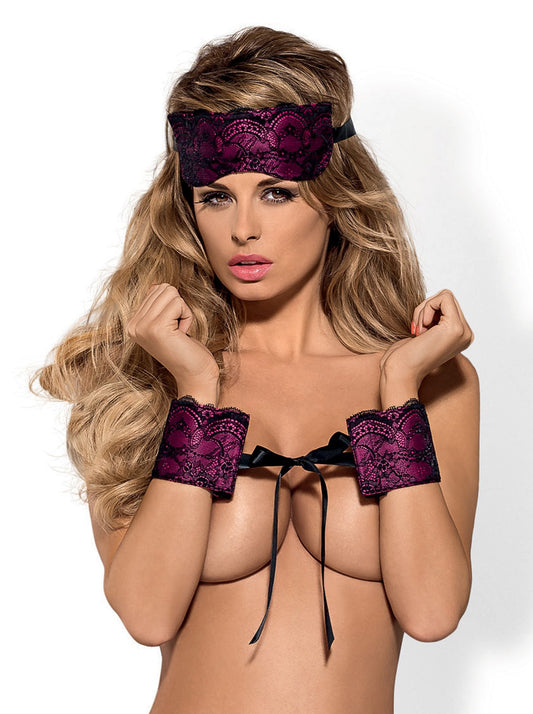
Black and fuchsia lace cuffs Roseberry Obsessive
Vendor:Obsessive- Soft leather
- Complete kit
Regular price 15,90 €Regular price0,00 €Sale price 15,90 € -
Black mesh cuff bracelets Désir Métallique Bijoux Indiscrets
Vendor:Bijoux Indiscrets- Metal mesh
- Complete kit
In stock, ships within 24 hoursRegular price 23,90 €Regular price0,00 €Sale price 23,90 €


















Choosing the Right Bondage Gear
Rope, strap, or handcuffs: three ways to restrain, with very different levels of technique and risk.
Straps
Adjustable and padded, they come undone in one movement. The safest choice.
Ropes
They require technique. Cotton or jute, never over a joint.
Under-bed kits
Strapped under the mattress, invisible once the cuffs are removed.
Quick release
Clips, Velcro or buckles: always a way to free someone quickly.

Bondage is not a matter of strength. It is a matter of trust and knots that you know how to untie.
Straps, without a doubt. They adjust, do not cut off circulation and come undone in one movement. Rope requires proper learning.
Never around the neck. Nor directly over a joint or along the path of a nerve, especially the inner wrist and the crook of the elbow.
A finger should fit under the restraint. Cold, pale or numb hands or feet mean you must loosen it straight away, without waiting.


